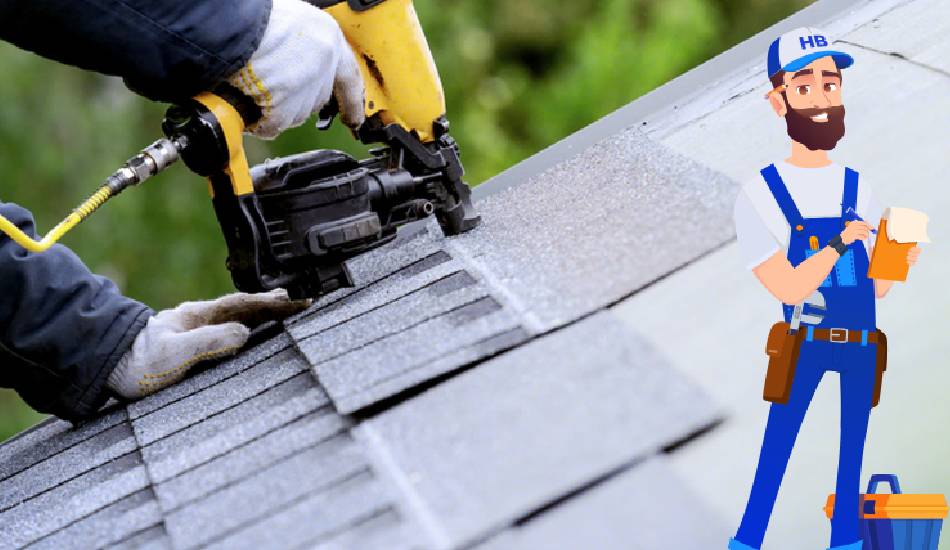
When it comes to home improvement projects, few decisions carry as much long-term significance as choosing the right roofing material. Your roof is one of the most critical components of your home, protecting everything beneath it from the elements while contributing significantly to curb appeal, energy efficiency, and overall property value. Whether you are replacing an aging roof or planning a complete renovation, selecting the right material for your roofing upgrade is a decision that deserves careful thought and thorough research. With so many options available today, understanding the strengths, limitations, and ideal applications of each material can help you make a confident and informed choice that serves your home well for decades to come.
Asphalt shingles remain the most popular roofing material in North America, and for good reason. They offer an excellent combination of affordability, durability, and versatility that makes them suitable for a wide range of home styles and climates. Available in two main varieties, three-tab shingles and architectural shingles, asphalt roofing provides homeowners with multiple aesthetic options at a relatively accessible price point. Architectural shingles, also known as dimensional shingles, are thicker and more visually appealing than their three-tab counterparts, offering a textured appearance that mimics the look of more premium materials like wood shakes or slate. With a lifespan of 20 to 30 years under proper maintenance conditions, asphalt shingles represent a cost-effective entry point for homeowners who want reliable protection without a significant upfront investment. They are also widely available and relatively easy to install, which helps keep labor costs manageable.
Metal roofing has experienced a dramatic surge in popularity over the past decade, and it is now considered one of the most sought-after premium roofing materials on the market. Available in a variety of styles including standing seam panels, metal shingles, and corrugated sheets, metal roofing offers an impressive combination of longevity, strength, and energy efficiency. One of the most compelling advantages of metal roofing is its exceptional lifespan, which can range from 40 to 70 years depending on the specific material and quality of installation. Steel, aluminum, copper, and zinc are among the most common metals used in roofing applications, each offering distinct advantages in terms of weight, corrosion resistance, and aesthetic appeal. Metal roofs are highly reflective, meaning they deflect solar heat rather than absorbing it, which can lead to significant reductions in cooling costs during hot summer months. They are also extremely resistant to fire, wind, and impact, making them an excellent choice for homeowners in regions prone to severe weather conditions.
Wood shingles and shakes bring a natural warmth and timeless beauty to residential roofing that is difficult to replicate with synthetic materials. Cedar is the most commonly used wood for roofing applications due to its natural resistance to moisture, insects, and decay, though redwood and pine are also used in certain regions. Wood shingles are machine-cut for a smooth, uniform appearance, while wood shakes are hand-split for a more rustic and textured look. Both options provide excellent insulation properties and can add significant curb appeal to traditional, craftsman, and cottage-style homes. However, wood roofing does require more maintenance than other materials, including periodic cleaning, treatment for moss and algae, and occasional replacement of damaged shingles. In areas with high moisture or frequent rainfall, wood roofing may also be more susceptible to rot and mold if not properly maintained. With a lifespan of 20 to 30 years under good maintenance conditions, wood roofing offers a beautiful but somewhat more demanding option for homeowners who prioritize aesthetics.
Slate roofing is widely regarded as one of the most premium and prestigious roofing materials available, and it is celebrated for its extraordinary beauty, unmatched durability, and remarkable lifespan. Natural slate is a fine-grained metamorphic rock that has been used as a roofing material for centuries, and it remains a top choice for homeowners who want a roof that combines elegance with exceptional longevity. One of the most impressive attributes of slate is its lifespan, which can exceed 100 years when properly installed and maintained. Slate roofs are naturally resistant to fire, frost, and moisture, and they require very little maintenance compared to other roofing materials. The sophisticated appearance of slate complements historic, colonial, and European-style architecture beautifully and can significantly enhance the prestige and market value of a property. The primary drawback of natural slate is its cost, which is among the highest of any roofing material, both in terms of materials and installation. Slate is also very heavy, requiring a structurally reinforced roof deck to support its weight, which can add to the overall project cost. For homeowners who can accommodate the investment, however, slate roofing represents a once-in-a-generation purchase that rarely needs to be replaced.
Clay and concrete tiles are roofing materials that have been used for thousands of years and continue to be popular choices in warm, dry climates such as those found in the American Southwest, Mediterranean regions, and coastal areas. Clay tiles, which are made from natural terracotta and fired at high temperatures, are exceptionally durable and can last 50 to 100 years with minimal maintenance. Their distinctive curved profile and warm earthy tones make them iconic elements of Spanish, Mediterranean, and Mission-style architecture. Concrete tiles offer a more affordable alternative to clay while providing similar aesthetic appeal and durability. Both clay and concrete tiles are fire-resistant, energy-efficient, and highly resistant to insect damage and rot. Like slate, however, these tiles are heavy materials that require a reinforced roof structure, and their installation requires skilled professionals with experience working with tile roofing systems. The upfront cost of clay and concrete tiles is higher than asphalt but generally lower than natural slate, making them a mid-to-premium option for homeowners seeking long-lasting beauty.